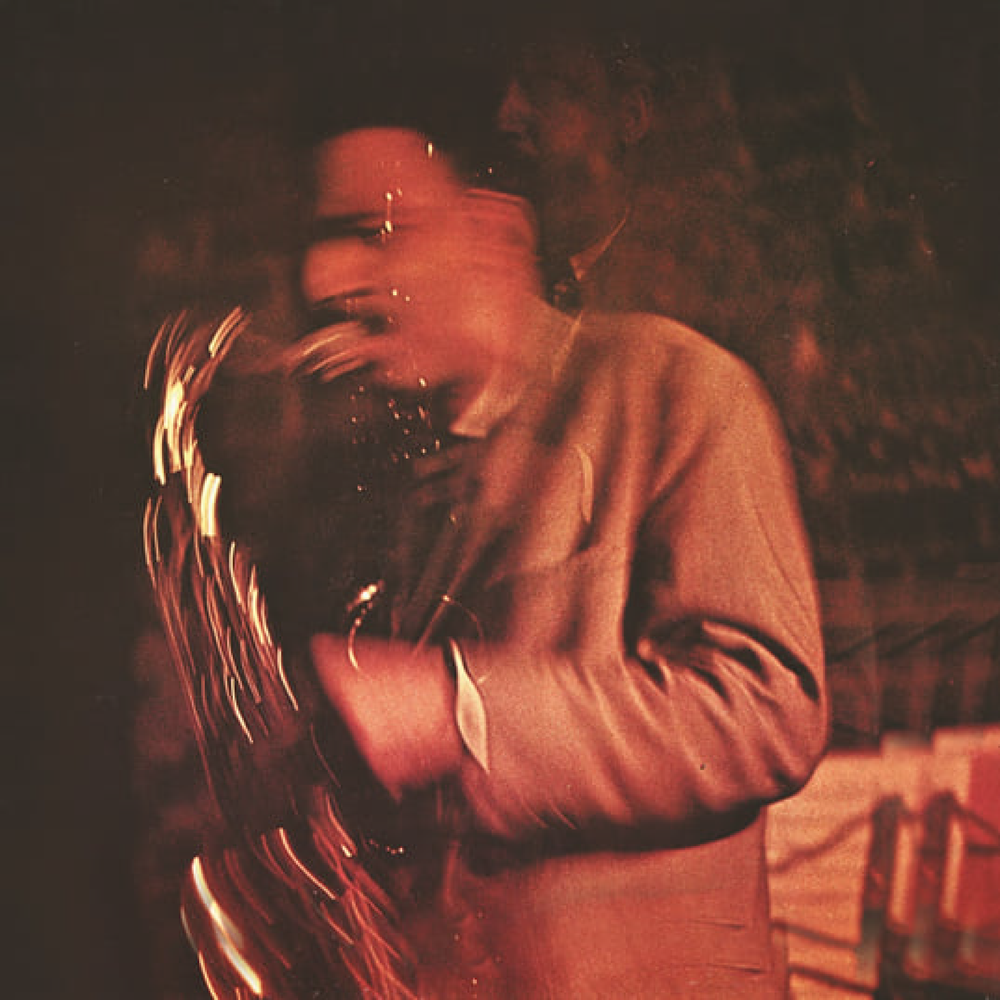
Tenor man Frank Wright and his Quintet, built up of rather unknown musicians at the time, would soon become well-known figures in the avant-garde/free jazz movement. These members include Jacques Coursil on trumpet, Arthur Jones on alto saxophone, Steve Tintweiss on bass, and Muhammed Ali, brother of Coltrane's drummer, Rashid Ali. Bring to you the sounds of The New Music. Honks, shrills, endless drumming, and a rhythmic bass, it's all there to guide you in a passionate expression of self.
Wright was born in Grenada, Mississippi, but grew up in Memphis, Tennessee, and Cleveland, Ohio, where he started his musical career playing bass guitar with a blues background. He played with the likes of Bobby "Blue" Bland and B.B. King. Until he met Albert Ayler in Cleveland, which led Wright to switch to tenor saxophone, and although Wright has a completely different approach and sound from Ayler, you can definitely hear the inspiration in this album.
The album's first track, Frank Wright's own composition The Lady, starts with the horns blasting as though the angel Gabriel were announcing the arrival of Frank Wright himself. After that, Wright bursts onto the track with a fierce solo, setting the standard for the rest of the 4 tracks.
Recorded in May 1967, in New York, and released by ESP-Disk later that same year, Your Prayer was released during the precipice of the free jazz movement. Coming a couple of years after A Love Supreme by John Coltrane, Spiritual Unity by Albert Ayler, and Free Jazz by Ornette Coleman had changed the shape of jazz, making it into the ultimate expression of Blackness and self.
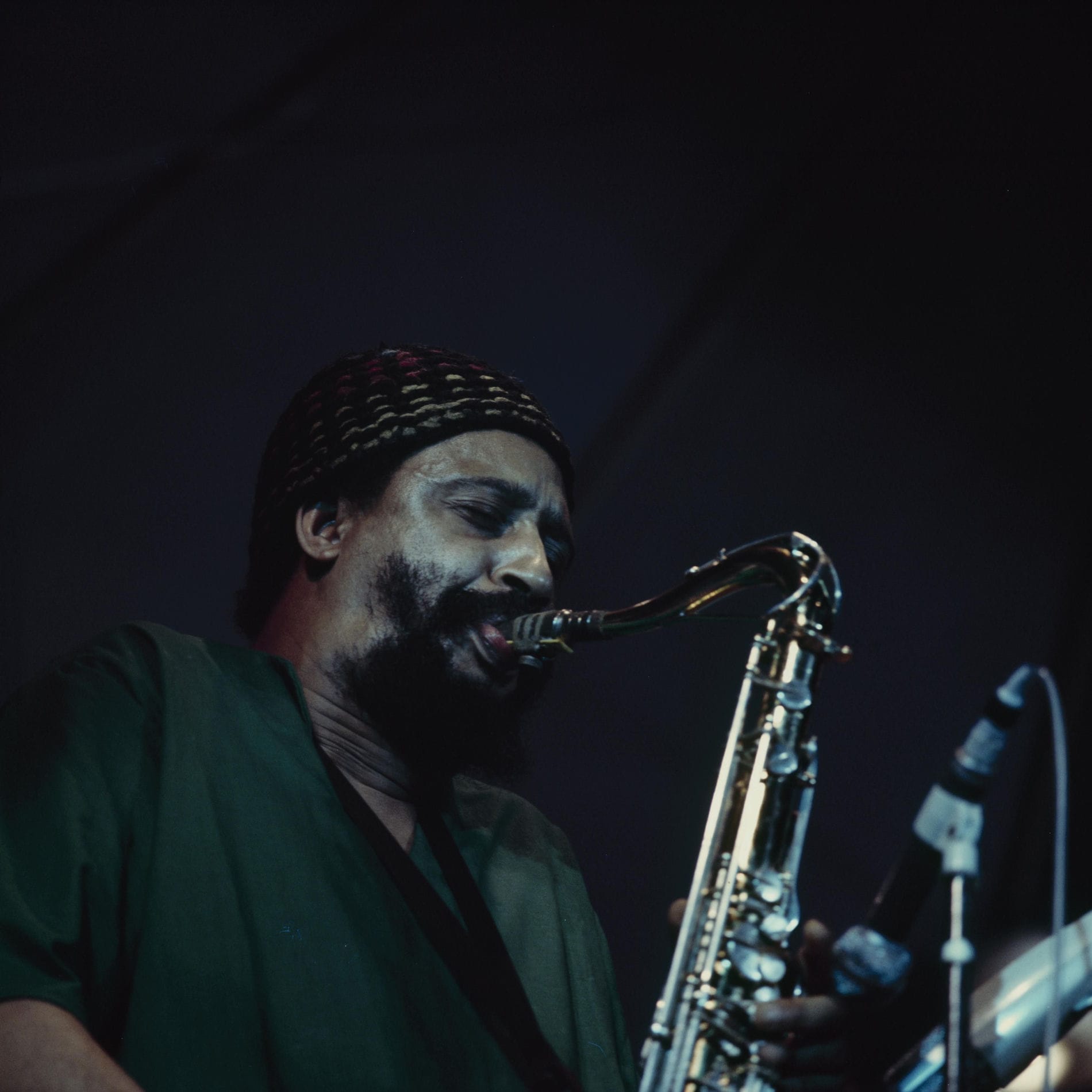
The movement toward a more spiritual experience in how and what you played seems to have fit perfectly with the direction Wright wanted to go in, as he was already a religious and spiritual man. Being an ordained minister, he gained the nickname "Reverend" Frank Wright, given to him by his peers in their recognition of his spiritual approach to the music.
Track 2, Train Stop, is a duo performance by Muhammad Ali and Frank Wright, pairing an emotional performance lathered in relentless hi-hats with an unstoppable Wright improvisation. After these two tracks, the whole quintet gets to have their say, especially on the expansive 13 min track Fire of Spirits, where each solo is as emotional as the next. I also love the nice touch of hearing the band members' verbal expressions during the solo exchanges.
I find the music of the free jazz revolution rather hard to put into words without giving the full context on the why; why it was necessary, why it was important for the musicians, and why it became an important achievement of African Americans in a broader political and social context. I think that context puts into perspective that this music was as serious as your life. I often find that when talking to people about this music, they can dismiss it as random notes and careless sounds, when in reality, I believe it has some of the most care and personal effort put into it. If you are ever curious to learn more, I recommend the book As Serious As Your Life by Val Wilmer for detailed coverage of The New Music.
Your Prayer stands as an exemplary piece of art that showcases the refinement of Wright's solos, which still retain his earlier blues background, and features a powerhouse quintet that holds the whole project together perfectly. Is this album a standout of the genre? I wouldn't say that, but does it stand as a great stamp, and is it worth listening to? DEFINITELY!